Exegol: The Ultimate Red Team Environment You Should Know About
Search for a command to run...
No comments yet. Be the first to comment.
In this series we are going to have a broad of knowledge on some networking concepts need to pursing a career in cyber security or offensive security
A Quick Thank You Before diving in, a huge thanks to the offensive security community — from the creators of tools and labs to everyone sharing knowledge daily. Without this spirit of collaboration, many of us wouldn’t have learned how deep and fasci...
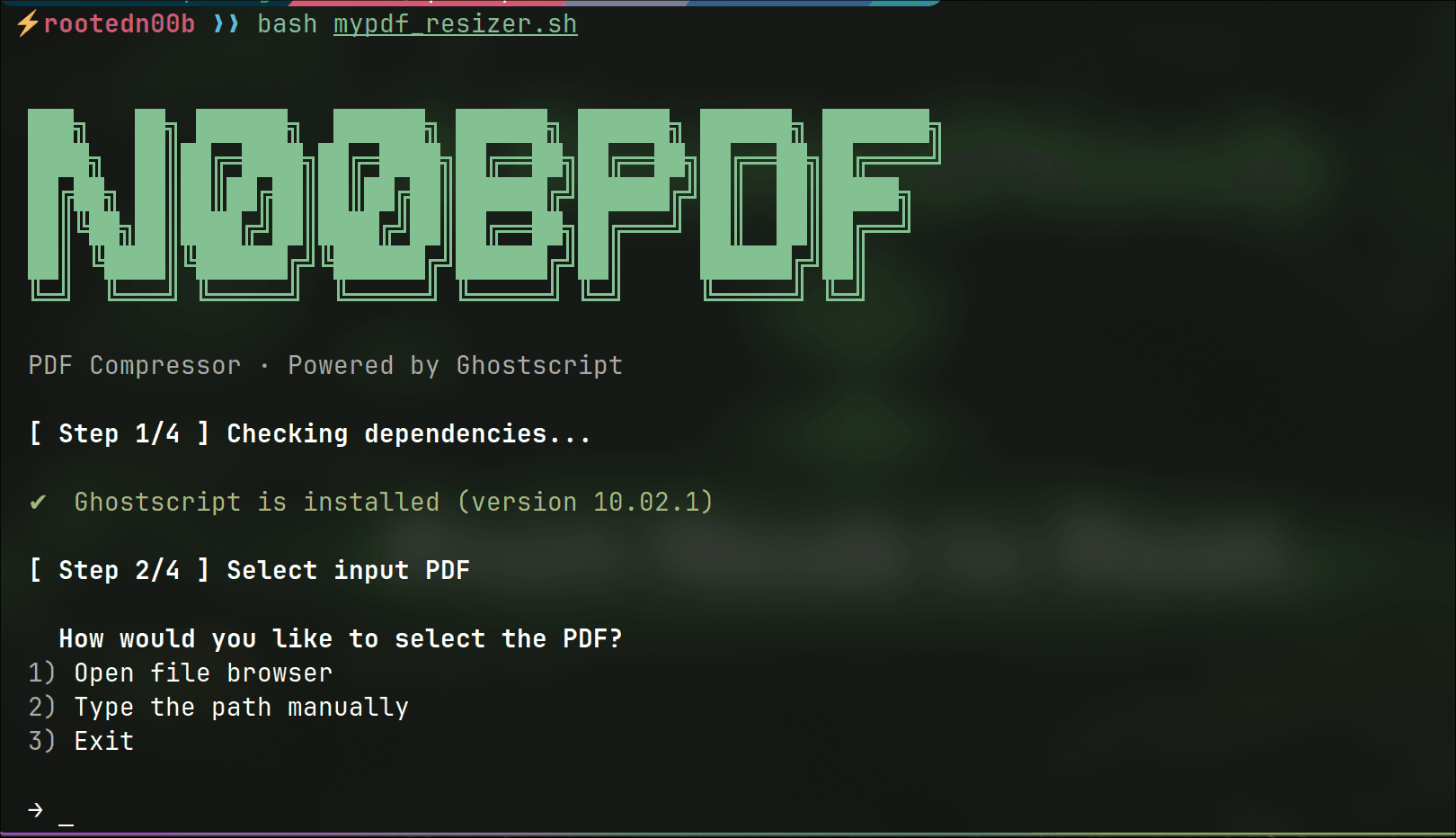
If you've ever tried to email a PDF only to get bounced back with a "file too large" error, you know the frustration. Online PDF compressors exist, but most of them upload your files to someone else's
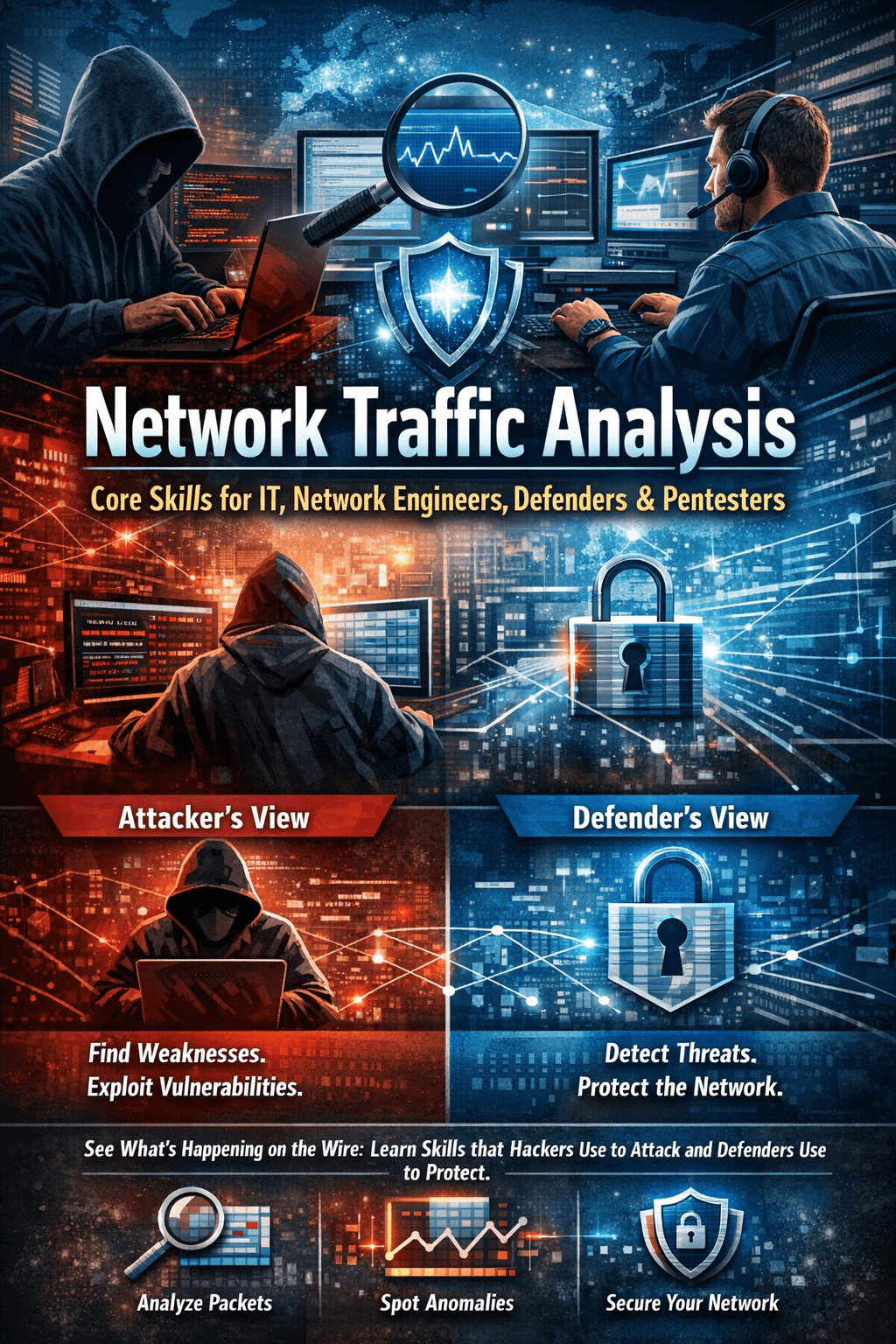
Core Skills for IT Technicians, Network Engineers, Defenders & Pentesters Introduction Every system tells a story.Not in logs.Not in dashboards.But on the wire. Every login, every file transfer, every scan, every misconfiguration — legitimate or mal...
🧩 How to Configure VoIP on a Zyxel Switch with Grandstream Phones Using a Voice VLAN In today’s networks, Voice over IP (VoIP) has become a core communication service for both businesses and labs. To ensure call quality and reduce network interferen...

A Quick Thank You Before diving in, a huge thanks to the offensive security community — from the creators of tools and labs to everyone sharing knowledge daily. Without this spirit of collaboration, many of us wouldn’t have learned how deep and fasci...

Imagine popping open a fresh, fully-configured pentest environment in seconds — with every tool you need, zero dependency hell, and the confidence that your host stays clean. That’s the promise Exegol delivers: not another clunky distro to install and maintain, but a modern, container-first hacking environment built for real-world red teams, CTFers, and security pros.
Before diving in, I want to extend my deepest gratitude to the Exegol Team and the entire community of contributors behind this incredible project. Your hard work, innovation, and dedication have truly changed the way red teamers, pentesters, and cybersecurity learners build and use their offensive security environments.
Exegol isn’t just a tool — it’s a movement that empowers thousands of professionals and enthusiasts to learn, test, and operate more efficiently and securely.
Thank you for continuously pushing the boundaries of what’s possible in the red team ecosystem.
Exegol isn’t a traditional OS you install on your laptop. It’s a modular, Docker-based environment powered by a small Python “wrapper” that manages images and containers for you. Each Exegol image is a self-contained toolkit — run one per engagement and never worry about breaking your main system or fighting library conflicts. It’s like carrying a toolbox of perfect workbenches that you can spin up or tear down at will.
Containerized reliability: Tools run inside isolated Docker images, so “it worked yesterday” actually means something. You get reproducible environments across machines and OSes.
Modular & community-driven: Exegol images are built, tested, and published as separate artifacts — pick the image that suits your workflow (full, minimal, nightly, ARM, amd64). The community actively contributes and curates toolsets.
Works where you are: While Linux is recommended for best performance, Exegol runs on Windows/macOS via Docker Desktop too — perfect for teams with mixed laptops. Exegol Documentation
Offline resources & convenience: Common scripts, netshells, and privesc helpers are bundled as “resources” available inside each container so you don’t repeatedly fetch the same tools.
Kali and similar distros are great, but they’re monolithic: one host OS with many tools. Exegol flips the model — instead of making your host the toolbox, each container is the toolbox. That means:
No more dependency Hell on your host.
Cleaner audit trails and less risk of leaving residual artifacts.
Easier experimentations: try a risky tool inside a disposable container rather than messing with your main install. Several write-ups compare Exegol favorably for professionals who need reproducibility and sandboxing.
Red Team engagements: Maintain separate containers per target to keep tools, logs, and configs isolated.
CTFs & training: Quickly spin up an environment tailored for a challenge without hours of setup.
Tool testing & research: Safely test new/potentially hazardous utilities in an ephemeral container.
Teaching & labs: Provide students a consistent environment so every learner sees the same results (handy for instructors — and yes, it fits nicely into a learning roadmap for offensive security).
Install Docker, Python3, pipx, and git.
Install the Exegol wrapper (the “brains”): pipx install exegol (or follow the official docs).
Pull an image and start a container: the wrapper handles the heavy lifting so you get a ready-to-hack shell with GUI support if you need Burp/BloodHound. The docs are straightforward and recommend Linux for the smoothest experience.
Exegol makes it easy to run offensive tooling — that power comes with responsibility. Always:
Have explicit authorization before testing systems.
Keep your containers and images up to date; Exegol provides nightly and stable builds but you should follow your team’s update policy.
Understand that container isolation is strong but not absolute — configure Docker and host networking safely for sensitive engagements.
If you’re a practitioner who values speed, reproducibility, and clean environments, Exegol is a game-changer. It’s the modern answer to long-standing pentest pains: dependency nightmares, messy hosts, and unreproducible setups. For learners and seasoned red-teamers alike, Exegol lets you spend less time configuring and more time actually hacking — a practical boost for anyone serious about offensive security.
Want to explore further? Check the project repo and the official docs for installation guides, images, and best practices — then try spinning up a container for your next lab. If you’re following a roadmap to become an offensive security pro, Exegol slots neatly into the “power of terminal + tooling” stage of your learning journey.

I use Exegol and YOU
